





Understanding Inflation Policy and Its Impact
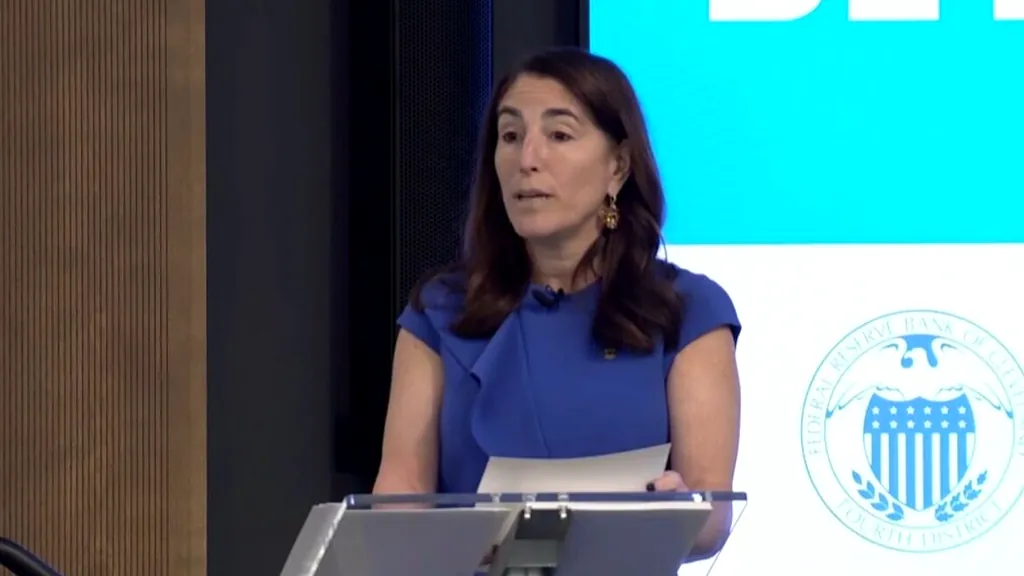
When we talk about inflation policy, we’re diving into a crucial part of our economy. Recently, Beth Hammack, the President of the Federal Reserve Bank of Cleveland, highlighted that while keeping interest rates steady is reasonable for now, the Fed may need to act soon to tackle rising inflation risks. This isn’t just a financial buzzword; it’s something that affects all of us in our daily lives.
Table of Contents
- What is Inflation?
- Why Inflation Matters
- Current Economic Outlook
- How the Fed Addresses Inflation Risks
- Implications of Interest Rates on Inflation
- Conclusion
What is Inflation?
Inflation is essentially the rate at which the general level of prices for goods and services rises, and subsequently, how purchasing power falls. Imagine your favorite candy bar costing a dollar today but rising to $1.10 next year. That’s inflation at work! It’s a normal economic phenomenon, but it can become a problem when it rises too quickly.
Types of Inflation
Understanding inflation requires recognizing that it comes in various forms:
- Demand-Pull Inflation: This occurs when demand for goods and services exceeds supply. Think of it as a bustling restaurant where everyone wants a table, leading to higher prices.
- Cost-Push Inflation: This type arises when production costs increase, pushing prices higher. For instance, if the price of oil rises, it might cost more to produce and transport goods, leading to higher prices at the store.
- Built-In Inflation: This happens when businesses and workers begin to expect inflation in the future, leading to wage increases and subsequent price hikes, creating a cycle.
Why Inflation Matters
Inflation affects everyone—from families to businesses. When prices go up, you might find that your paycheck doesn’t stretch as far as it used to. For businesses, rising costs can squeeze profits, leading them to raise prices even higher. This cycle can create a challenging environment for economic growth.
The Impact on Consumers
For consumers, inflation means that the money they have today will buy less in the future. This can lead to adjustments in spending habits. For example, families may cut back on discretionary spending such as dining out or vacations, prioritizing essentials like groceries and utilities.
The Business Perspective
Businesses face a dual challenge. On one hand, they need to manage their operational costs, which may be increasing due to inflation. On the other hand, they must decide how much to pass these costs on to consumers without risking a loss of sales. This balancing act can lead to difficult decisions, impacting hiring, investment, and ultimately, economic growth.
Current Economic Outlook
As we navigate the current economic landscape, uncertainty looms. Hammack pointed out that while it’s reasonable to maintain the current interest rates, the Fed must stay vigilant. The economic outlook can change rapidly, and we want to be prepared for potential shifts. Keeping inflation in check is essential for stability and growth.
Global Influences on U.S. Inflation
The U.S. economy does not operate in a vacuum. Global events, such as supply chain disruptions caused by natural disasters or geopolitical tensions, can impact inflation. For instance, the COVID-19 pandemic led to significant supply chain issues, causing delays and increasing costs for various products. This has a ripple effect, influencing inflation rates not only in the U.S. but also around the world.
How the Fed Addresses Inflation Risks
So, how does the Fed tackle inflation risks? The primary tool at their disposal is adjusting interest rates. By raising rates, the Fed can slow down borrowing and spending, which can help cool off inflation. However, they must balance this carefully; too much tightening can lead to an economic slowdown.
Hammack suggests that while we’re in a steady phase now, it’s not out of the question for the Fed to need to act soon. For example, if inflation continues to rise rapidly, they may decide to increase interest rates to manage that risk. It’s a delicate dance!
Open Market Operations
In addition to adjusting interest rates, the Fed actively engages in open market operations, buying or selling government securities to influence the money supply. By selling securities, the Fed can reduce the amount of money circulating in the economy, which can help reduce inflationary pressures.
Inflation Targeting
The Federal Reserve has an explicit inflation target, typically around 2%. This target is essential for managing expectations. When consumers and businesses believe that inflation will remain stable and predictable, they are less likely to make impulsive financial decisions that could exacerbate inflationary trends.
Implications of Interest Rates on Inflation
Interest rates play a significant role in our economy. When rates are low, it’s cheaper to borrow money. This can encourage spending and investment. But if inflation is high, the Fed might raise rates to curb that spending, which could slow down economic growth.
Let’s break it down further:
- Low Interest Rates: Encourage borrowing and spending, which can lead to higher inflation if the economy overheats. For example, during periods of low rates, consumers may be more likely to finance large purchases, such as homes or cars, which can increase demand and push prices up.
- High Interest Rates: Discourage borrowing and spending, potentially keeping inflation in check, but can also slow down economic growth. When rates rise, it can lead to higher monthly payments on loans and mortgages, prompting consumers to cut back on spending.
The Ripple Effect on Savings and Investments
The implications of interest rates extend beyond just borrowing. They also affect savings and investments. When interest rates are low, individuals may find less incentive to save, as returns on savings accounts dwindle. Conversely, higher rates can encourage saving, but may also lead to decreased investment in businesses, as borrowing costs rise.
This balancing act is crucial for maintaining a healthy economy. The Fed must continually assess economic indicators to determine the best course of action regarding interest rates and inflation policy.
Conclusion
In summary, the inflation policy is a key area of focus for the Federal Reserve. As we’ve seen from Hammack’s insights, the Fed is carefully monitoring the economic landscape. We may be in a steady phase for now, but with inflation risks on the rise, we need to stay informed about how interest rates may change in the near future. Remember, the decisions made today can impact our everyday lives tomorrow. For more details, check out this source.
If you want to learn more about how to manage your finances during fluctuating economic conditions, you might find our article on Tax Planning Strategies: 5 Proven Tips for Smart Investors helpful!