





Have you been keeping an eye on the Fed interest rates? If so, you might want to sit down because there’s some significant news. Goldman Sachs has announced that they expect the U.S. Federal Reserve to keep interest rates steady through 2026. This means that any potential rate cuts will likely be delayed until 2027. This shift is largely driven by strong job growth and a resilient economy, which could impact various financial aspects, including loans and mortgages.
Table of Contents
- Current Economic Climate
- Fed Interest Rates and Loans
- Future Predictions
- What This Means for You
- Frequently Asked Questions (FAQs)
Current Economic Climate
The U.S. economy has shown surprising strength in recent months. Payroll data has exceeded expectations, which suggests that job creation is robust. This economic vitality is one of the key reasons why Goldman Sachs believes the Fed will hold off on rate cuts. When the economy is strong, the Fed tends to maintain higher interest rates to control inflation and stabilize growth.
Job Growth and Economic Indicators
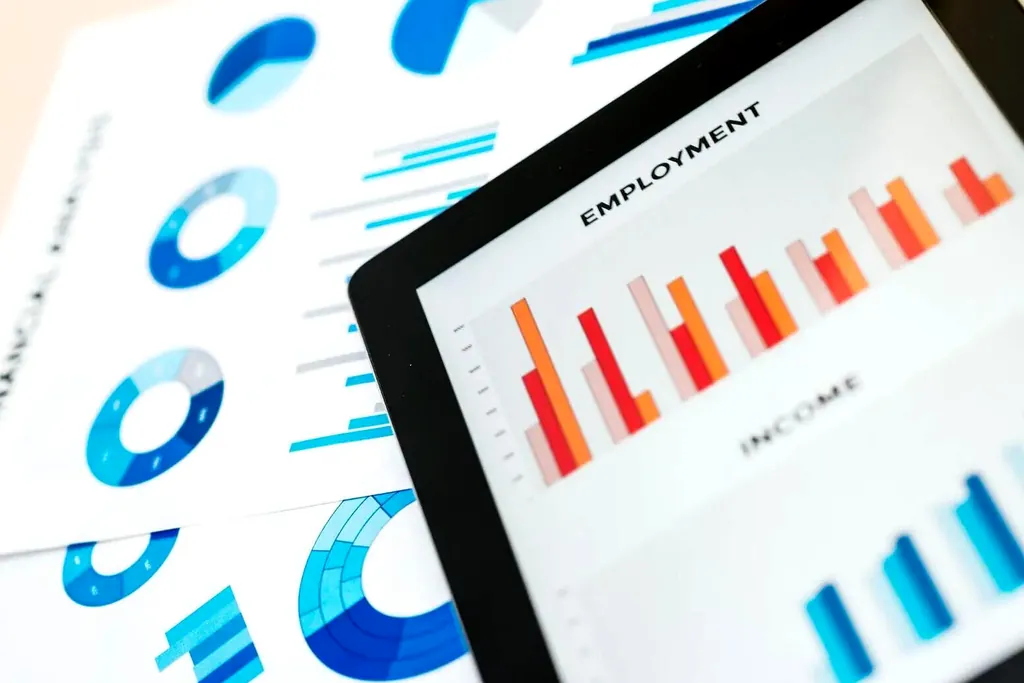
Job growth is a critical indicator of economic health. It reflects not only the number of people employed but also consumer confidence and spending. In turn, these factors influence the overall economic environment. As businesses hire more employees, they invest in growth, leading to increased spending, which can help keep inflation in check.
Fed Interest Rates and Loans
Understanding how Fed interest rates affect loans is crucial, especially if you’re considering borrowing. Higher interest rates typically mean higher costs for loans, including mortgages, personal loans, and credit cards. Therefore, if the Fed maintains its current rates until 2027, we can expect to see a sustained impact on borrowing costs.
The Impact of Fed Rate Cuts on Loans
When the Fed does decide to cut rates, the impact on loans can be substantial. Lower rates generally lead to reduced monthly payments for borrowers. This can make home buying more affordable and encourage people to take out loans for various needs. However, with the current outlook suggesting that rate cuts are several years away, borrowers should prepare for a longer period of higher costs.
Future Predictions
As we look ahead, the question on everyone’s mind is when the Fed will start to cut rates. Goldman Sachs has pushed their predictions to 2027, which might seem far off. However, economists often adjust their forecasts based on new data, so it’s essential to stay informed about economic indicators.
Inflation and Economic Stability
Inflation plays a significant role in the Fed’s decision-making process. If inflation remains high, the Fed may choose to keep rates steady to avoid overheating the economy. Conversely, if inflation falls, they might reconsider their stance. Keeping an eye on these trends can help you make informed financial decisions.
What This Means for You
So, what does this mean for you? If you’re looking to buy a home or take out a loan, be prepared for potentially higher interest rates for the next few years. This might require you to budget carefully and consider your options. However, those who are already locked into lower rates might benefit from the stability of their current financial situation.
Advice for Borrowers
If you’re thinking about borrowing, consider getting advice from a financial advisor. They can help you understand the impact of Fed interest rates on your loans and guide you in making the best decisions. Additionally, exploring fixed-rate loans may provide you with more security in a fluctuating economic environment.
For more information on how interest rates can affect your financial decisions, you might want to check out our article on the impact of the interest rate hike on loans. Staying informed will help you navigate this complex financial landscape.
In summary, Goldman Sachs’ prediction to keep Fed interest rates unchanged until 2027 is based on solid economic indicators, particularly job growth. As we move forward, it’s essential to understand how these rates can impact your financial decisions and plan accordingly. For more details, you can read the full report on this topic here.
Frequently Asked Questions (FAQs)
What are Fed interest rates?
Fed interest rates refer to the rates set by the Federal Reserve, which influence borrowing costs across the economy. These rates affect loans, mortgages, and overall economic activity.
How do Fed rate cuts impact loans?
When the Fed cuts rates, it typically leads to lower borrowing costs, making loans more affordable. This can encourage consumers to take out loans for homes and other purchases.
Why is Goldman Sachs predicting no rate cuts until 2027?
Goldman Sachs bases its prediction on strong job growth and economic indicators that suggest the Fed will keep rates steady to control inflation.
How can I prepare for higher interest rates?
Consider budgeting carefully and exploring fixed-rate loans to lock in current rates. Consulting with a financial advisor can also provide valuable insights.
What should I watch for in economic indicators?
Keep an eye on job growth, inflation rates, and other economic indicators that can signal changes in Fed interest rates and affect your financial decisions.