





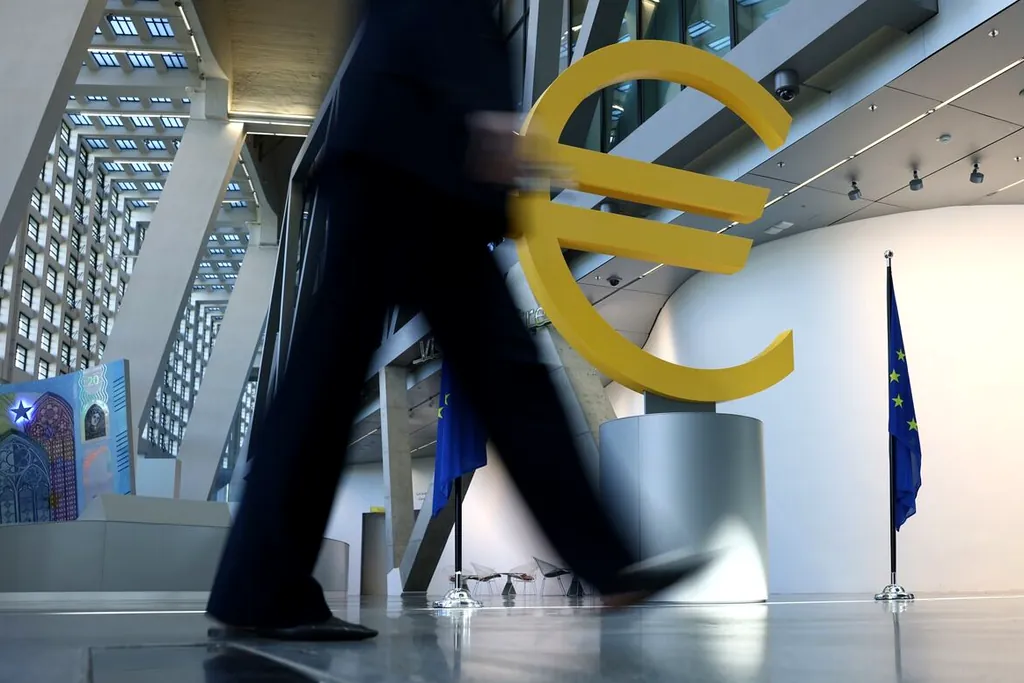
As the world watches economic changes unfold, the recent interest rate hike by the European Central Bank (ECB) has raised eyebrows. This decision not only affects European markets but also has a ripple effect on global banking systems and, most importantly, on loans. Understanding how interest rate hikes impact loans can help you navigate your financial decisions more effectively.
Table of Contents
- What is an Interest Rate Hike?
- Impact of Interest Rate Hike on Loans
- The Importance of Banking News
- How to Navigate Changes in Interest Rates
- Frequently Asked Questions (FAQs)
What is an Interest Rate Hike?
An interest rate hike occurs when a central bank increases the rate at which it lends money to commercial banks. This move is often made to control inflation and stabilize the economy. When the ECB decides to raise interest rates, it signals that it is trying to rein in excessive economic growth to prevent inflation from spiraling out of control.
The Mechanism Behind Interest Rate Hikes
Interest rate hikes are a tool used by central banks to influence the economy. By increasing rates, borrowing becomes more expensive for banks, which in turn leads them to raise rates for consumers. This process can help cool down an overheating economy and can also encourage saving over spending, as people may be less inclined to take out loans when the cost is higher. The intention is to create a balance that prevents inflation from eroding purchasing power, while also supporting sustainable economic growth.
Impact of Interest Rate Hike on Loans
So, how does an interest rate hike affect loans? The answer is straightforward: higher interest rates generally lead to more expensive borrowing costs. This can impact various types of loans:
1. Mortgage Rates
When interest rates go up, mortgage lenders increase their rates as well. If you’re planning to buy a house or refinance your existing mortgage, you can expect to pay more in interest. This can add hundreds or even thousands of dollars to your total repayment amount over the life of the loan.
Real-World Example
Consider a scenario where the interest rate on a 30-year fixed mortgage rises from 3% to 4%. A $300,000 mortgage at 3% would cost approximately $1,264 per month, while the same mortgage at 4% would cost about $1,432. Over the life of the loan, this seemingly small increase in the interest rate could result in an additional $60,000 paid in interest!
2. Personal Loans
Similarly, personal loan rates will likely rise. If you’re considering taking out a personal loan for a major purchase or to consolidate debt, you may find that the cost of borrowing is significantly higher than before the rate hike.
Understanding Personal Loan Implications
Personal loans are typically unsecured, meaning they don’t require collateral. Because of their riskier nature, lenders often charge higher interest rates. As rates rise, the affordability of personal loans decreases, pushing consumers to rethink their borrowing needs or search for alternative financing options.
3. Auto Loans
Auto loans are also affected. Higher interest rates mean you’ll pay more each month for your car payment. If you’re in the market for a new vehicle, you might want to act quickly before rates climb further.
Impact on Vehicle Purchases
With rising interest rates, auto manufacturers and dealers may also respond with incentives to attract buyers. However, if you’re considering financing a vehicle, you will likely face higher payments, which could alter your budget and overall financial strategy.
4. Credit Cards
Credit card interest rates can also be influenced by these changes. If you carry a balance, you’ll end up paying more in interest, making it essential to focus on paying down debt during these times.
Credit Card Debt Management
If you have a credit card with a variable interest rate, be prepared for your monthly payment to increase as interest rates rise. This is particularly pertinent for those who carry a balance from month to month, as the cost of servicing that debt becomes more expensive.
5. Business Loans
For small business owners looking to expand or invest, the cost of loans will also increase. This can slow down business growth and affect cash flow, as borrowing becomes more expensive.
Business Expansion Challenges
Higher interest rates can deter businesses from taking out loans to invest in growth, hire more employees, or upgrade equipment. As a result, the overall economic growth may slow down, affecting job creation and consumer spending.
The Importance of Banking News
Staying informed about banking news is crucial, especially during periods of significant changes like an interest rate hike. Being aware of how these changes can impact your financial health allows you to make better decisions. Whether it’s adjusting your budget or reconsidering a loan application, knowledge is power.
Why You Should Follow Banking News
Banking news provides insights into economic trends, monetary policy changes, and financial regulations. Understanding these dynamics can help consumers gauge the best times to borrow, invest, or save. Additionally, keeping an eye on economic forecasts can help you prepare for potential financial shifts in your personal or business finances.
For more insights on how financial changes can affect you, check out this article on Foreign Investment Tax Relief: Boosting India’s Bond Appeal.
How to Navigate Changes in Interest Rates
To effectively manage your finances in light of an interest rate hike, consider the following tips:
- Review your current loans and see if refinancing is an option before rates go even higher.
- Create a budget that accounts for potential increases in your monthly payments.
- Pay down high-interest debt as quickly as possible to avoid escalating costs.
- Stay updated with banking news to anticipate future changes.
Proactive Financial Management
By taking proactive steps, you can mitigate the impact of rising interest rates on your financial situation. This may include exploring fixed-rate loans to shield yourself from future increases, or even consolidating loans to secure a more favorable rate while they are still available.
Frequently Asked Questions (FAQs)
What happens when interest rates rise?
When interest rates rise, the cost of borrowing increases. This affects mortgages, personal loans, auto loans, and credit card interest rates, making loans more expensive.
How does an interest rate hike affect my mortgage?
An interest rate hike leads to higher mortgage rates, which means you’ll pay more in interest over the life of your loan if you take out a mortgage after the hike.
What should I do if I have a variable-rate loan?
If you have a variable-rate loan, your payments could increase as interest rates rise. Consider refinancing to a fixed-rate loan to lock in a lower rate.
Is it a good time to buy a home during an interest rate hike?
While rising rates can make homes more expensive due to higher mortgage payments, it’s still essential to weigh your options based on your individual financial situation. Consider factors such as current market conditions, home availability, and your long-term financial goals.
Where can I find more information on banking news?
For the latest updates and insights into banking news, you can visit financial news websites or subscribe to newsletters that cover economic changes. Following reputable financial analysts or institutions can also provide valuable perspectives on the implications of interest rate hikes.
For those interested in a deeper understanding of the current economic climate, you can check out the original source of this information in banking news.